A repair diagnostic fee FAQ should say what inspection costs, what that fee covers, when it is payable, and whether it is credited against a repair. State who authorizes the work after a quote. Chatterbox can repeat your published terms, but an unusual fault or disputed charge still needs a person.
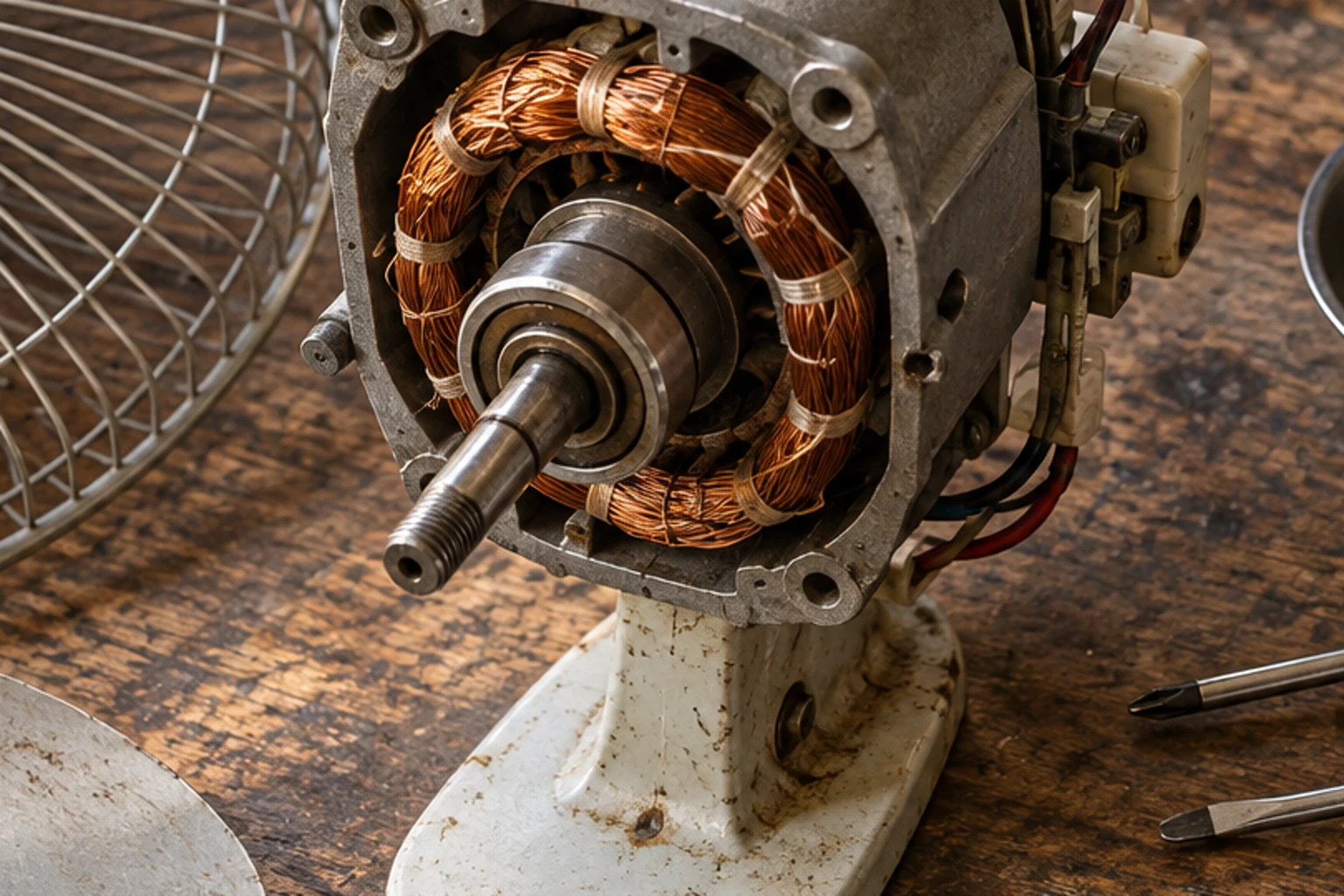
A customer brings in a fan that will not start. Before leaving it at the counter, they ask: “Do I pay just for you to look at it?” A diagnostic fee FAQ should answer that question before anyone takes the device apart. It also needs to distinguish the charge for inspection from the cost of fixing the fault. Use the wording below as a structure, not as a ready-made price list. Replace the brackets with your shop's approved terms.
What does the diagnostic charge actually buy?
Name the work the charge covers. An initial visual check, a bench test, fault tracing, and a written estimate are different services. Do not call it a “repair fee” if no repair has been approved. Say whether the charge applies per device or per visit, and whether a second fault is assessed separately. If the shop has different rules for large appliances or on-site visits, give those their own line.
The most important question is what happens if the customer declines the repair. An inspection may still have taken time even when the customer says no. State whether the fee remains payable in that case. If the shop deducts it from an approved repair, name exactly which bill receives the credit. Avoid “free diagnosis with repair” unless that is the actual policy for every device covered by the sentence.
Copy this repair diagnostic fee FAQ and fill in the terms
Is there a charge to inspect my [device type]? Yes / No. The diagnostic charge is [approved amount or calculation] per [device, visit, or other unit]. It covers [specific checks and deliverable].
When is it due? The charge is payable [approved trigger]. If the device cannot be assessed under [named condition], our rule is [approved outcome].
What if I decide not to repair it? [State whether the inspection charge remains payable and how the device is returned or collected.]
Is the fee deducted from a repair? [State the exact credit rule, including any conditions.] The separate repair quote covers [labor, parts, or other items as approved by your shop].
Will you start work before I agree to the price? [Describe how the customer receives a quote and how they authorize or decline further work.]
What if the fault changes during inspection? [Describe how the team contacts the customer before any additional charge or work that needs approval.]
Choose one answer for each bracket; never leave “Yes / No” or two competing policies on the published page. If a fee varies, give the condition that determines it or explain how a person will confirm it before inspection. A number without its unit is an invitation to misunderstand the bill.
Where should inspection end and repair begin?
The order of decisions should be visible: Inspect the device. Give a repair quote. Customer authorizes repair. Repair begins. For an Unclear case?, Ask a person rather than silently extending the standard fee rule. Inspection is not permission to replace a part. A quote is not authorization to proceed. Those are separate moments for the shop and the customer.
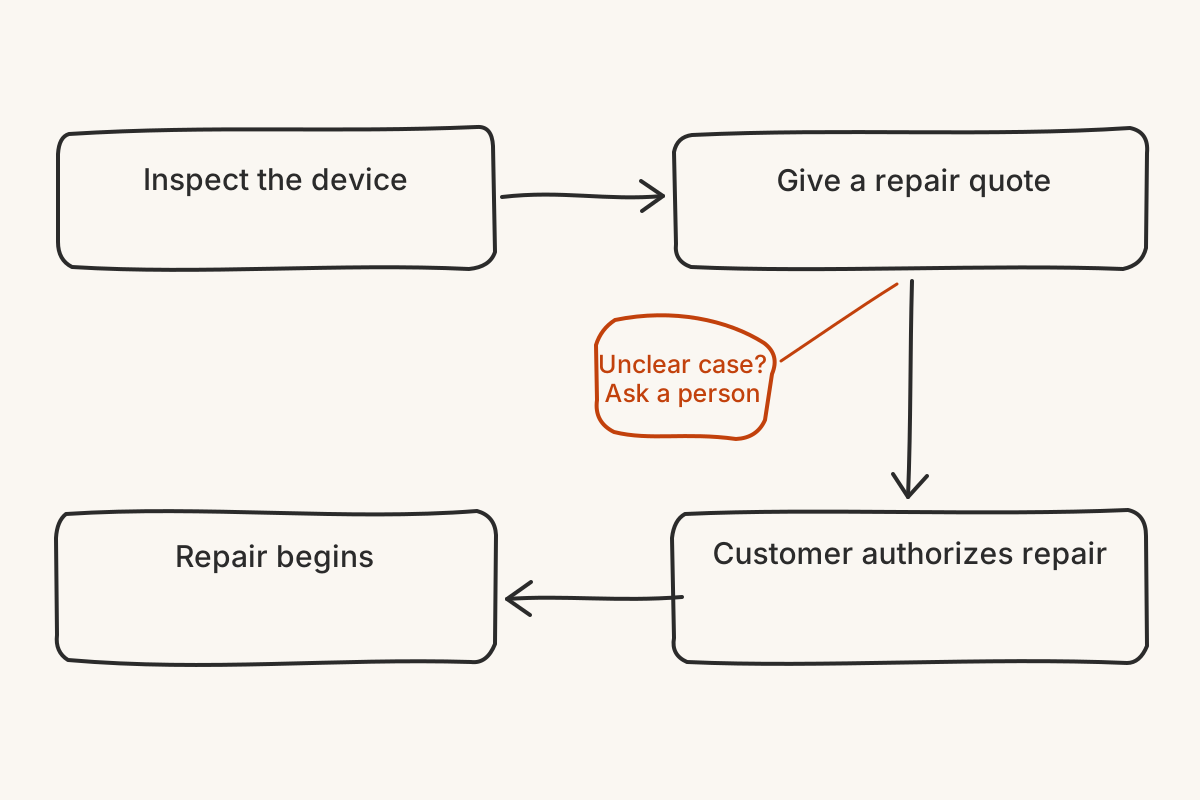
A customer's device may have arrived after an earlier attempted repair or with several unrelated symptoms. The FAQ should explain the ordinary inspection process without deciding whether those circumstances incur a second charge. That call belongs to someone who has seen the device and the shop's actual records.
Which questions can the website answer without seeing the device?
Put the approved FAQ in one maintained source. Chatterbox can draw answers from a site crawl, uploaded file, pasted text, or hand-typed Q&A. It shows the source passage with an answer, so a visitor asking about the ordinary inspection charge can see the applicable unit and condition together. An old rate card alongside a revised webpage gives the system conflicting material; remove the stale version before relying on the answer.
Test the page with “How much just to check my fan?”, “Does that come off the repair bill?”, and “Will you fix it without asking me?” Check the source passage as well as the reply. Then ask about a particular device with an earlier repair dispute that the FAQ does not settle. Chatterbox says it cannot find the answer when its material does not answer and asks for name, phone, and email; the lead reaches the dashboard and by email for the team to handle. It does not diagnose the device or approve a charge.
When the shop changes its assessment rule, update the primary wording, retire old copies, and refresh the website source. A source can be re-crawled once a day. Repeat the ordinary and disputed-case questions. The useful FAQ prevents a surprise at the counter; it does not promise a repair price before anyone has inspected the fault.