Chatterbox can answer size and fit questions from dimensions, size guides, and measurement rules your business has supplied. It can show the source behind a published measurement. When that material does not settle whether an item fits a particular person or space, it asks for contact details instead of turning a general guide into a promise.
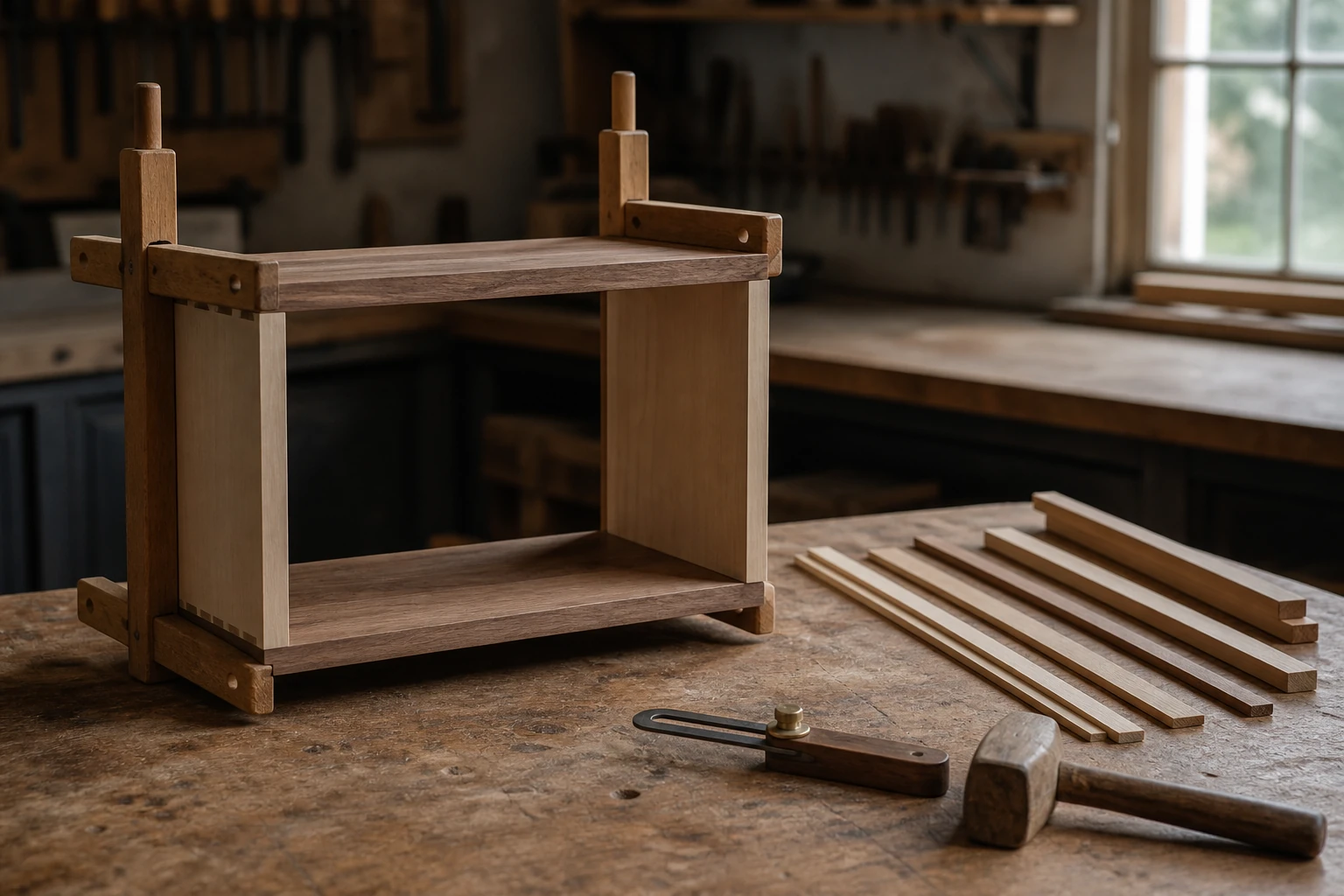
A customer may know the product they want and still be unable to decide whether it fits. A garment has a labeled size but their measurements fall between two rows. A cabinet has published dimensions but the doorway is narrow. Chatterbox can surface the measurements the business supplied. It should not turn those measurements into an individual guarantee.
Which size details should your website publish?
Start with the measurement itself, then state what was measured. Width across the outside of a cabinet is different from usable space inside it. Garment width laid flat is different from body circumference. A frame opening is different from its outside edge.
Put the unit beside every figure. Do not make a visitor infer whether a number means millimeters, centimeters, inches, or feet. If the business uses a size label such as small or large, keep the matching measurements beside that label rather than on a separate page.
Add the condition that changes the result. A furniture dimension may exclude handles. A clothing measurement may refer to the item rather than the person. A made-to-measure service may need the customer to follow a particular measuring method. State tolerances only when the business has approved them.
Keep one maintained version of the guide. Chatterbox can use a site crawl, file upload, pasted text, or hand-typed Q&A. Four slightly different size tables create four chances for an old figure to remain available.
Can a website chatbot tell a customer whether something will fit?
It can repeat a size, dimension, or measurement rule that the supplied content clearly states. Chatterbox shows the source passage behind an answer, so the visitor can check the figure and its condition together.
A direct question such as “What is the outside width?” can have a direct answer when the product page gives that width. “Will it pass through my stairwell?” is a different decision. The result may depend on several measurements, the route, how the item can be turned, and whether the visitor measured the narrowest point.
The same distinction applies to clothing. A published size guide can explain the business's measurements. It may not settle which size feels comfortable to one person or how an altered garment will sit after a fitting.
When should a fit question reach a person?
Send the question to a person when one unverified measurement, preference, or site condition could change the answer. Examples include a customer between sizes, an uneven alcove, a narrow turn on a staircase, a custom alteration, or a request to confirm fit from an approximate figure.
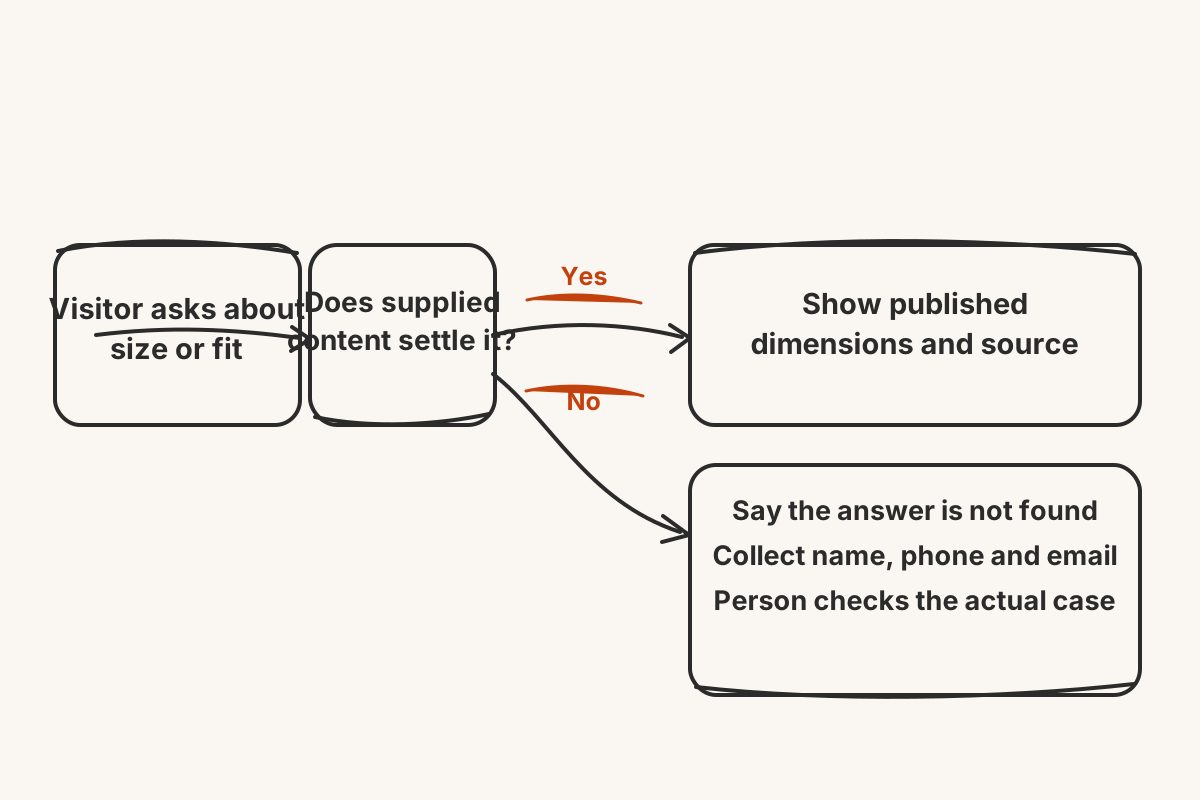
When the supplied material does not settle the case, Chatterbox says it cannot find the answer and asks for the visitor's name, phone, and email. The lead reaches the dashboard and by email. The person can ask for the missing measurement before making a commitment.
The decision path is: Visitor asks about size or fit. Does supplied content settle it? Yes. Show published dimensions and source. No. Say the answer is not found. Collect name, phone and email. Person checks the actual case.
A broad reassurance before contact capture is still a promise. “It should fit” can cause somebody to order, travel, or clear a room on the strength of a case nobody checked.
How do you test size and fit answers?
Use three questions. First, ask for one measurement that appears clearly in the maintained source. Confirm that the reply keeps the unit and shows the intended passage.
Second, ask about a nearby product or size whose measurements are different. The answer should not borrow a figure merely because the names are similar.
Third, ask for an individual fit decision the source does not settle. Use an awkward doorway, an in-between body measurement, or a custom space. The expected result is an honest gap and contact capture, not a likely yes.
Repeat those tests whenever a product specification, size guide, or measuring method changes. Correct the primary source and remove stale copies first. If the source is a website crawl, Chatterbox allows it to be re-crawled once a day.
A useful size answer gives the customer a number they can verify. A useful fit decision recognizes when that number is not enough and leaves the final promise with a person who can check the actual case.