Chatterbox can answer stock availability questions only when the business's supplied content settles them. It can surface a published availability rule or product statement. When a visitor asks whether an item is available right now and the material does not confirm that, it asks for contact details instead of inventing a stock promise.

“Is this in stock?” can mean two different things. A visitor may be asking whether the business normally carries an item, or whether one is available to buy this minute. Chatterbox can answer from business material that states the first. The second needs a source current enough to settle what is on the shelf now.
Which availability details can your website publish?
Publish the facts that remain true long enough for a customer to rely on them. Say which product lines you normally carry, whether an item is made to order, whether a color is seasonal, and how someone can ask about an unlisted variation. If restocking follows a stated process, explain the process without promising a date the team has not approved.
Keep “usually stocked” separate from “available now.” A product page can truthfully describe the normal range while the last unit is already in another customer's basket. “Made to order” can remain accurate for months. “Three left” may stop being accurate before lunch.
Chatterbox builds knowledge from a site crawl, file upload, pasted text, or hand-typed question-and-answer pairs. Choose one maintained source for each availability rule. Copying a stock statement into all four creates more places for an old answer to survive.
Can Chatterbox answer whether a product is in stock now?
Chatterbox answers from the business content it has been given and shows the source passage behind an answer. If that material clearly states a stable availability rule, the widget can surface it. For example, it can explain that a named item is made after an order or that a certain range is offered only during a stated season.
A question about this minute is different. A crawled product page or uploaded list records what the source said; it does not establish that nobody bought the final unit after that statement was recorded. When the supplied material does not confirm current availability, Chatterbox says it cannot find the answer and requests the visitor's name, phone, and email. The lead reaches the dashboard and by email for a person to check.
That refusal is more useful than “it should be available.” The visitor can wait for a real confirmation instead of traveling to the shop or placing an order based on a guess.
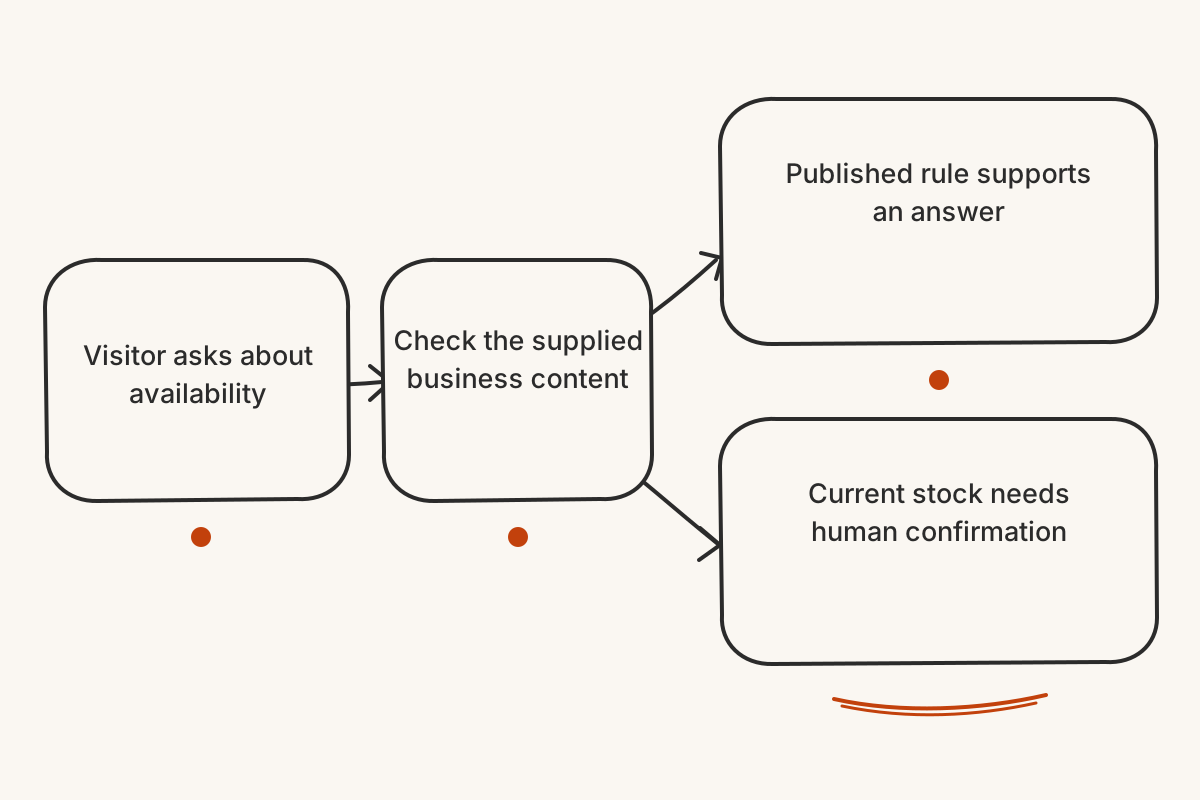
The decision path uses four checks: Visitor asks about availability. Check the supplied business content. Published rule supports an answer. Current stock needs human confirmation.
What should happen when availability changes?
Correct the primary source first. If a seasonal range ends, remove the old statement rather than adding a second note elsewhere. If a made-to-order item becomes regularly stocked, update the maintained page or Q&A that owns that rule.
A website source can be re-crawled once a day. Run that refresh after the corrected words are visible at the public URL. Then ask the ordinary question again and inspect the source passage. A current-looking reply attached to an old statement is not a clean update.
Do not turn frequent changes into frequent promises. If quantities move several times a day, the honest public wording may be that availability must be confirmed. The widget can collect the enquiry, but a person with the current position should make the commitment.
How do you test a stock availability answer?
Test one rule and one live-status question. First ask about a fact the business has clearly documented, such as whether an item is made to order. Confirm that the answer keeps the condition attached and shows the intended passage.
Then ask whether a particular unit is available right now when no supplied source settles that fact. The expected result is an admission that the answer was not found, followed by contact capture. It should not borrow certainty from the general product description.
Repeat the pair whenever the product range or availability wording changes. The safe division is simple: let the website answer the rule it can support, and let a person confirm the stock position that can change between one customer and the next.