Follow up a website chatbot lead by reading the unanswered question before you call, checking the current business information, and answering that question first. Record whether it was a one-off case or a gap worth fixing on the website. Do not make the visitor repeat the whole conversation.

A useful chatbot lead already has a reason for the callback: the visitor asked something the website did not establish. Chatterbox collects the visitor's name, phone, and email when its material cannot answer. The lead reaches the dashboard and by email. The team's job is to pick up from that unanswered question, not restart the enquiry from zero.
What should you check before calling a chatbot lead?
Read the question first. Identify the missing fact: a custom price, an address near the service boundary, an unusual warranty case, or a booking request that needs a real person. If the lead contains several questions, mark the one that stopped the automated answer.
Then check the current source your team trusts. Do not rely on what you remember if the question concerns a price, policy, date, or promise. Open the relevant page or approved document. If the case needs judgment, gather the details the decision-maker will need before calling.
Assign one owner. A notification in both the dashboard and email is useful, but it can also make two people assume the other person replied. Put the lead with a named person and a simple status such as new, calling, waiting, or closed in whatever system your team already uses.
What should you say on the callback?
Open with the question, not with a sales pitch:
You asked on our website whether we cover your address in Kharar. The website did not have a clear answer, so I am calling to check the details with you.
That line proves you know why the visitor left their number. It also preserves the honest boundary from the chat: no answer was promised before a person checked.
Ask only for the missing detail. A postcode may settle a service-area question. A model number may be needed for a warranty enquiry. A preferred day may narrow a booking request. Do not make the visitor repeat their name, phone number, and original question when the lead already carries them.
Answer the question before adding anything else. If the business still cannot decide, say what needs checking and who will confirm it. Give a callback time only when the team can keep it. A vague but accurate next step is better than a precise promise nobody owns.
How should the lead follow-up sequence run?
Use the same five steps each time: read the unanswered question, check the current business source, call with the question, resolve or assign the next step, and record the content gap. The sequence keeps the callback tied to what the visitor actually asked.
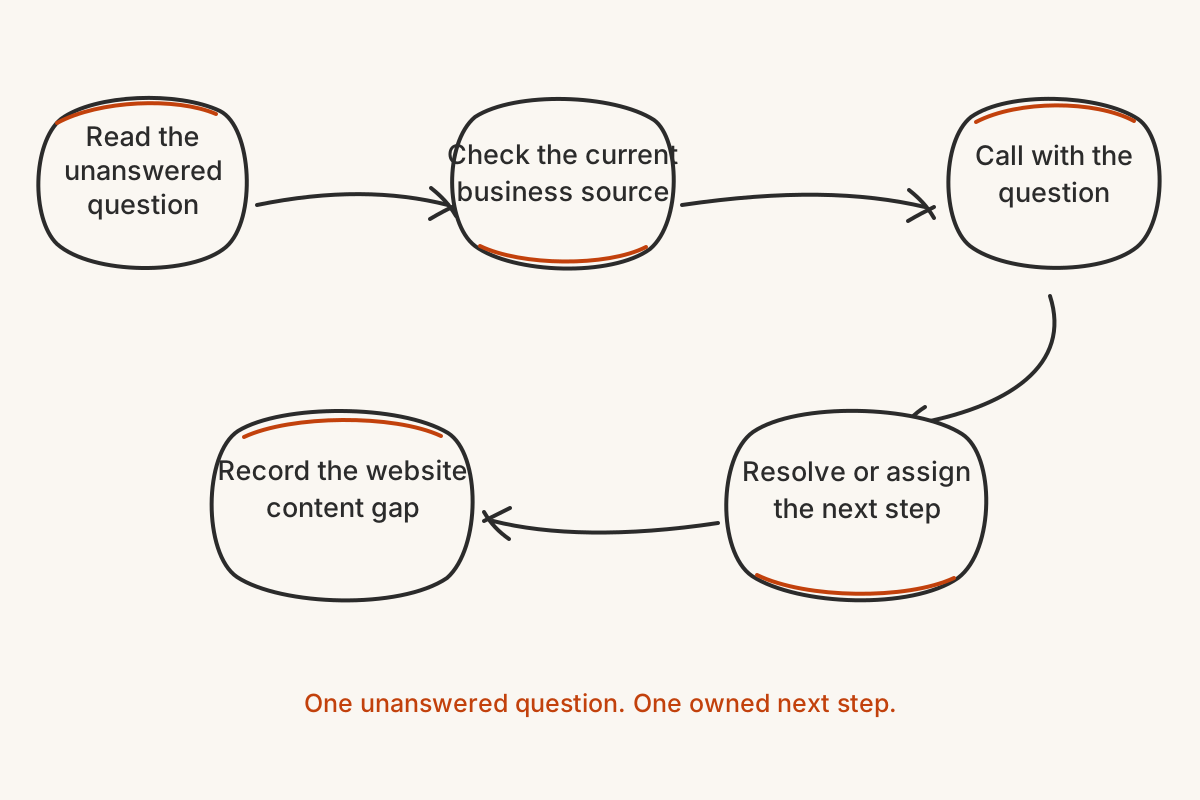
After the call, note the outcome in one sentence. “Covered after postcode check” is more useful than “called customer.” If somebody else needs to continue, name the unresolved decision and the next owner.
Do not treat contact capture as a completed conversation. Chatterbox hands the question back to a person when the supplied material runs out. The lead is useful because the visitor waited long enough to leave details; it still needs a human response.
Which unanswered questions should become website content?
Separate one-off cases from repeatable answers. A damaged item that needs inspection may always belong with a person. A delivery boundary that staff explain three times a week probably belongs on the website.
Keep a small gap list with four fields: the visitor's question, the approved answer, the source that should own it, and the date it was updated. Publish only a rule the business can apply consistently. Do not create a broad answer from one exception merely to reduce future callbacks.
When the approved answer changes a public page, update that source and remove stale copies. Chatterbox permits a website source to be re-crawled once a day. After refreshing it, ask the original question again and check the source passage shown with the reply. Then change one condition and confirm that the unsupported version still reaches contact capture.
A good follow-up does two things. It gives this visitor a real answer from a person. It also shows the business whether the website is missing a reusable fact. Close the first job before turning the second into content.